October 28, 2026
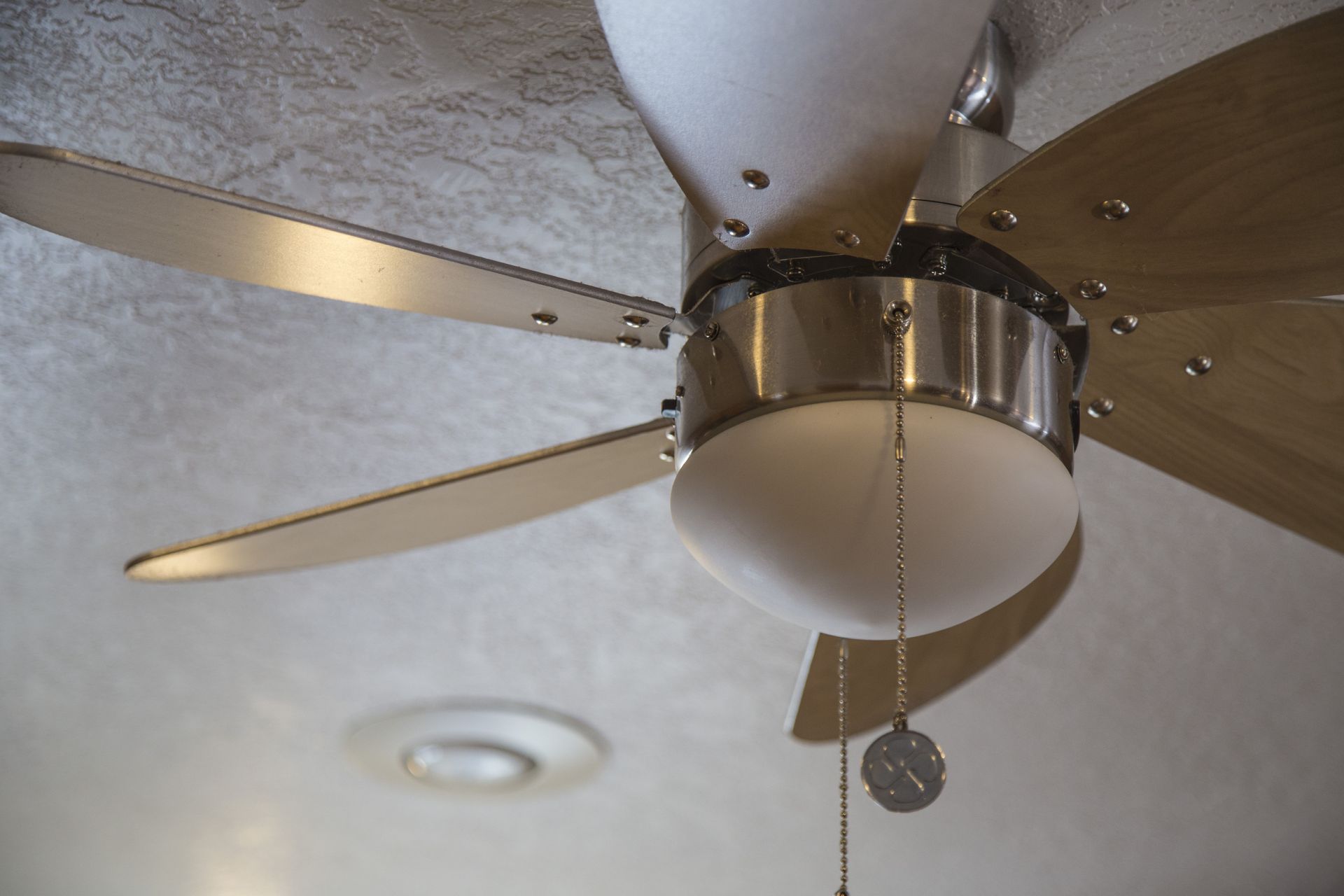
According to Global Market Insights, rapid urbanization and the expansion of residential projects are significantly driving the demand for ceiling fans, so much so that it's expected to reach $18.1 billion by 2035. Ceiling fans provide air movement that can make living spaces feel more comfortable. Choosing a suitable fixture involves considering the room, the desired controls, and whether integrated lighting or smart-home features would be useful. Professional installation also involves secure mounting and appropriate electrical connections. Understanding these considerations can help homeowners prepare for a ceiling fan installation or replacement project.
Important Considerations for Professional Installation
Ensure Safe Electrical Connections
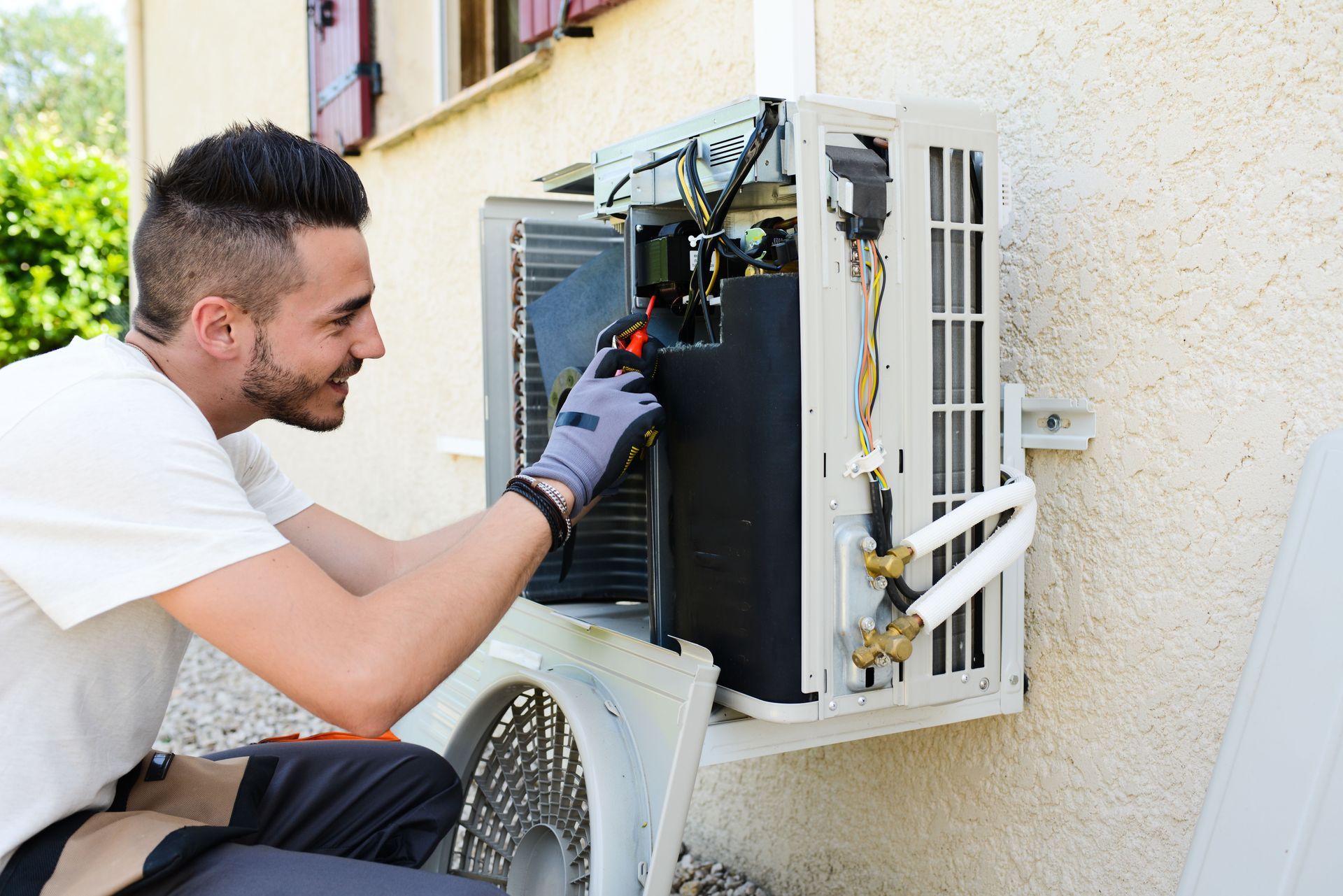
Proper electrical connections and secure mounting are important parts of ceiling fan installation. A ceiling fan installer can connect the fan wiring, check the existing electrical setup, and address wiring upgrades when needed. Following applicable electrical codes helps ensure that the installation meets relevant requirements and that the fan is ready for use.
Improve Fan Performance
Proper mounting, wiring, and balancing help a ceiling fan operate as intended. Homeowners can also consider multi-speed fans and remote-controlled models to adjust airflow to their preferences. Selecting an appropriate fan and ensuring that its electrical connections are properly installed can help support comfortable use in different living spaces.
Select a Suitable Ceiling Fan
Choosing a ceiling fan involves considering how the room will be used and which features are important to the household. Available options include multi-speed, remote-controlled, and smart fans, allowing homeowners to consider different approaches to controlling airflow and operating their equipment. The selected model should suit the space and the homeowner's preferences.
Practical Ways to Improve Seasonal Comfort
Improve Summer Airflow
Ceiling fans circulate air to create a breeze that can make a room feel more comfortable in warmer weather. When selecting a fan, consider the room where it will be installed and the controls you want to use. Installing a suitable model provides another way to manage airflow in frequently used living spaces.
Prepare for Seasonal Changes
Ceiling fans can remain useful beyond the warmest months by allowing homeowners to adjust airflow as their needs change. When considering a new fan, review the model's operating features and controls to determine whether they suit your preferences throughout the year. A properly installed fan provides an additional way to manage airflow in living spaces.
Maintain Comfortable Airflow
Ceiling fans provide air movement that can make living spaces feel more comfortable. Choosing a suitable model and having it installed correctly are practical steps toward getting the intended use from the equipment. Multi-speed and remote-controlled options also allow homeowners to adjust airflow to their preferences.
Useful Features for Everyday Comfort
Support Indoor Air Movement
Ceiling fans circulate air within a room, creating movement that can contribute to a more comfortable indoor environment. Homeowners should consider the room's intended use and the fan's available settings when selecting a model. Proper mounting and wiring are important parts of installing a ceiling fan for everyday use.
Consider Room Comfort
When evaluating a ceiling fan, consider how it will be used and what type of airflow you prefer in the room. Different fan models offer different operating speeds and controls. Selecting a model that fits your preferences and arranging for proper installation can help you get the intended use from the equipment.
Choose Useful Features
Ceiling fans are available with different controls and operating features. Homeowners can compare those features based on how they plan to use the fan and how they prefer to adjust airflow. Smart options can also provide additional control features for households interested in connected home technology.
Select Fans for Everyday Use
Consider how a ceiling fan will fit into your daily routine before choosing a model. Available features such as multiple speeds, remote controls, and smart-home integration can influence how conveniently you operate the fan. The installation should also account for the electrical connections needed for the selected unit.
Personalize Your Home Environment
Match Fans to Your Space
A ceiling fan should suit both the intended use of the room and the homeowner's preferences. Consider the appearance of the fixture alongside its operating features, including available speeds and controls. Professional installation can help ensure the selected unit is securely mounted and properly connected.
Choose a Fan for the Room
The room where a ceiling fan will be installed is an important consideration when choosing a model. Think about how the space is used and which fan features will be most useful. Multi-speed, remote-controlled, and smart models offer different ways to manage airflow and operate the fixture.
Combine Lighting and Airflow
Some ceiling fans include integrated lighting, allowing one fixture to provide both illumination and air movement. Ceiling fans with lights are an option for homeowners who want to combine these functions. Consider whether a combination fixture suits your room and lighting needs before arranging installation.
Integrate Smart Fan Controls
Smart ceiling fans offer an option for homeowners interested in connected home technology. Smart fan installation and home automation integration can provide additional ways to control equipment. The available functions depend on the selected model, so homeowners should consider which controls and integrations they want before choosing a fan.
Practical Benefits of Ceiling Fan Installation
Consider Long-Term Home Comfort
A ceiling fan is a practical addition to consider when updating a living space. Before selecting a model, think about how often the room is used, which controls would be convenient, and whether an integrated light would be useful. These considerations can help homeowners choose a fixture that suits their everyday needs.
Evaluate Fan Operating Costs
When comparing ceiling fans, homeowners can consider the equipment's energy requirements alongside its features and controls. Energy-efficient models are one option to evaluate when planning an installation. Actual operating costs will depend on the model selected, how frequently it is used, and local electricity rates.
Explore Energy-Efficient Options
Homeowners comparing ceiling fans can consider energy-efficient models as one factor in their decision. Other considerations include the room where the fan will be installed, the controls available, and how frequently the fixture will be used. Choosing a suitable model and arranging for proper installation can help ensure the equipment is set up for its intended purpose.
Support Proper Fan Operation
Proper mounting and electrical connections are important parts of ceiling fan installation. Replacing an existing unit or upgrading wiring may be appropriate when a fan needs to be updated or the electrical setup requires changes. Homeowners should also follow the equipment manufacturer's instructions for use and maintenance.
Common Installation Challenges
Address Electrical Wiring
Ceiling fan installation requires the appropriate electrical connections for the selected fixture. A ceiling fan installer can assess the existing setup and determine whether electrical modifications are necessary for the installation. Wiring upgrades may also be appropriate when the existing electrical system needs to accommodate the new equipment.
Prepare for Fan Mounting
Secure mounting is an important consideration when installing or replacing a ceiling fan. The installation must accommodate the selected fixture and its mounting requirements. Homeowners should discuss any concerns about the existing ceiling or mounting location before work begins so that the installation requirements can be assessed.
Address Fan Balance
A ceiling fan should be mounted securely and balanced as part of the installation process. If an existing fan develops noise or vibration, homeowners can have the installation and equipment assessed to determine whether adjustments or replacement are appropriate. Addressing these concerns helps identify potential installation or equipment issues.
Choosing the right ceiling fan involves considering its features, controls, mounting requirements, and electrical connections. Options such as multiple speed settings, remote controls, integrated lighting, and smart-home compatibility can help homeowners find a setup that suits their spaces. For ceiling fan installation, replacement, or related electrical upgrades, contact Bybee Electric to learn more about available services.