April 29, 2026
Understanding the role of commercial electrical contractors is pivotal in enhancing energy efficiency within businesses. These professionals bring specialized expertise to identify, assess, and implement energy-saving measures that can significantly reduce energy costs. In today's competitive market, energy efficiency is no longer optional; it's a necessity for sustaining profitability and operational excellence. By partnering with a commercial electrical contractor, businesses can achieve substantial savings, improved equipment performance, and contribute positively to environmental conservation. This article outlines the multiple avenues through which these contractors can aid businesses in their energy efficiency journey.
The importance of energy efficiency cannot be overstated for any business that seeks sustainability both environmentally and financially. In a time where operational costs are continually rising, making energy efficiency a priority translates into significant cost savings. Efficient energy utilization also aligns with corporate social responsibility goals, enhancing a company's reputation and fulfilling regulatory obligations. Moreover, the environmental benefits of reduced carbon footprints and lowered greenhouse gas emissions contribute to global sustainability efforts. The value of engaging with knowledgeable electrical contractors cannot be underscored enough, given these numerous advantages.
One major benefit of working with a professional contractor is their ability to conduct thorough energy assessments, which yield actionable insights. Such collaborations enable businesses to pinpoint inefficiencies that they might otherwise overlook. Contractors offer solutions that are both practical and cost-effective, making the transition smoother and more manageable. Furthermore, these professionals stay abreast of the latest technologies and industry trends, ensuring that their clients receive state-of-the-art solutions. As businesses strive to stay ahead of the curve, the expertise of a skilled electrical contractor becomes an invaluable asset.
Conducting a Comprehensive Energy Audit
Identifying Areas of Improvement
An energy audit serves as the foundation for identifying where a business can improve its energy efficiency. A commercial electrical contractor will employ sophisticated tools and methodologies to analyze energy usage patterns. This systematic approach helps reveal inefficiencies in building systems, equipment, and processes. By pinpointing specific areas that require attention, contractors can devise tailored strategies to address these issues. This process not only identifies energy wastage but also uncovers potential cost-saving opportunities that businesses can exploit.
Analyzing Energy Consumption Trends
Understanding energy consumption trends is crucial for making informed decisions about energy efficiency. Contractors gather and analyze historical and current energy usage data to spot anomalies and consumption peaks. This analysis is integral in recognizing patterns that contribute to excessive energy use. For instance, a spike in energy consumption during peak operational hours might be indicative of underlying inefficiencies. According to the US Energy Information Administration, U.S. electricity sales increased by around 150 billion units between 2020 and 2024, highlighting the growing necessity for businesses to monitor and optimize their energy use effectively.
Assessing Equipment Efficiency
Equipment efficiency is a critical component of overall energy utilization within a business. During an energy audit, contractors evaluate existing machinery and systems to determine their operational efficiency. Outdated or malfunctioning equipment can be a significant drain on energy resources. By conducting thorough assessments, an electrical contractor can recommend upgrades or replacements that improve efficiency. This not only reduces energy consumption but also enhances productivity and equipment lifespan, ensuring maximum return on investment for businesses.
Reviewing Lighting and Appliance Usage
Lighting and appliances play a significant role in a business's energy footprint. Contractors review the existing lighting systems and appliance usage to identify areas where more energy-efficient alternatives can be implemented. For instance, transitioning from incandescent bulbs to LED lighting can drastically reduce energy consumption. Similarly, evaluating appliance usage patterns can reveal opportunities to optimize or replace outdated models with more efficient versions. These changes, though seemingly small, collectively contribute to substantial energy savings.
Implementing Efficient Lighting Solutions
Switching to LED Lighting
LED lighting is one of the most effective solutions for enhancing energy efficiency in commercial settings. On average, LEDs use about 75% less energy than incandescent bulbs and last up to 25 times longer, offering substantial savings. By transitioning to LED lighting, businesses can significantly reduce their energy consumption. This not only lowers electricity bills but also diminishes maintenance costs due to the longevity of LED lights. Electrical contractors facilitate this switch by evaluating existing lighting systems and recommending appropriate LED replacements.
Installing Smart Lighting Controls
Smart lighting controls are an innovative approach to managing energy usage. By integrating systems like occupancy sensors, timers, and dimmers, businesses can automate lighting based on actual usage needs. These controls help in reducing unnecessary lighting during off-peak hours or in unoccupied areas, thereby boosting overall energy efficiency. Electrical contractors are adept at designing and installing these systems to ensure optimal functionality and user convenience. This smart technology not only improves energy management but also enhances the comfort and safety of building occupants.
Utilizing Daylight Harvesting
Daylight harvesting is a sustainable practice that leverages natural light to illuminate interior spaces, reducing the reliance on artificial lighting. Contractors can install sensors and controls that adjust indoor lighting based on natural light availability. By maximizing the use of daylight, businesses can cut down on energy used for lighting during daytime hours. This reduction translates into lower energy bills and a diminished environmental footprint. Additionally, harnessing natural light can improve workplace ambiance, boosting productivity and employee well-being.
Conducting Regular Lighting Maintenance
Regular lighting maintenance is crucial to ensure that lighting systems operate efficiently and meet safety standards. Contractors schedule maintenance checks to clean, repair, or replace components as necessary, preventing energy wastage from faulty systems. This proactive approach identifies potential issues before they escalate, preserving the lifespan and efficiency of lighting equipment. Furthermore, consistent maintenance minimizes unexpected failures, which can disrupt business operations and incur additional costs. With guidance from a commercial electrical contractor, businesses can maintain optimal lighting conditions while adhering to energy-efficient practices.
Optimizing HVAC Systems
Tuning Up Existing Systems
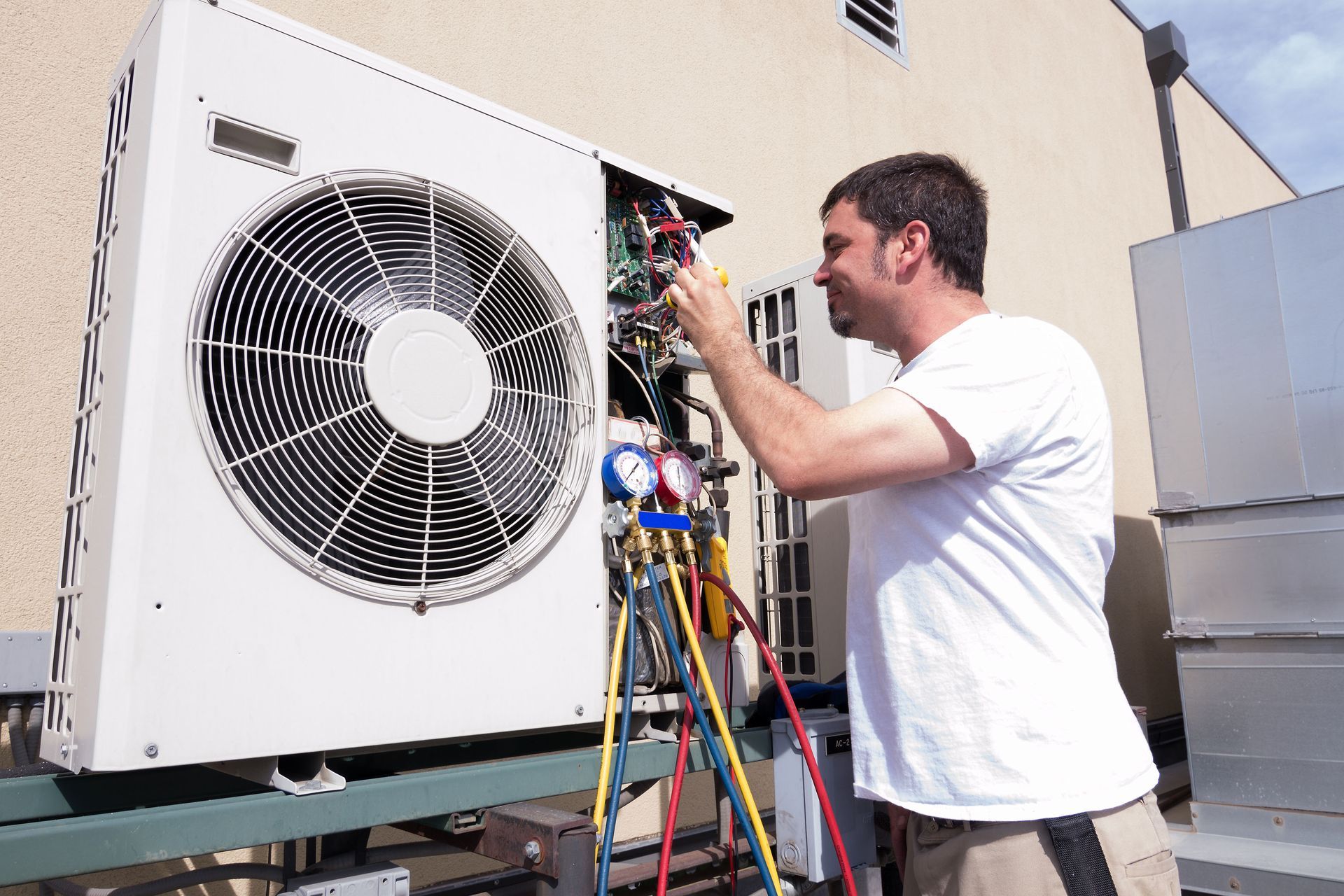
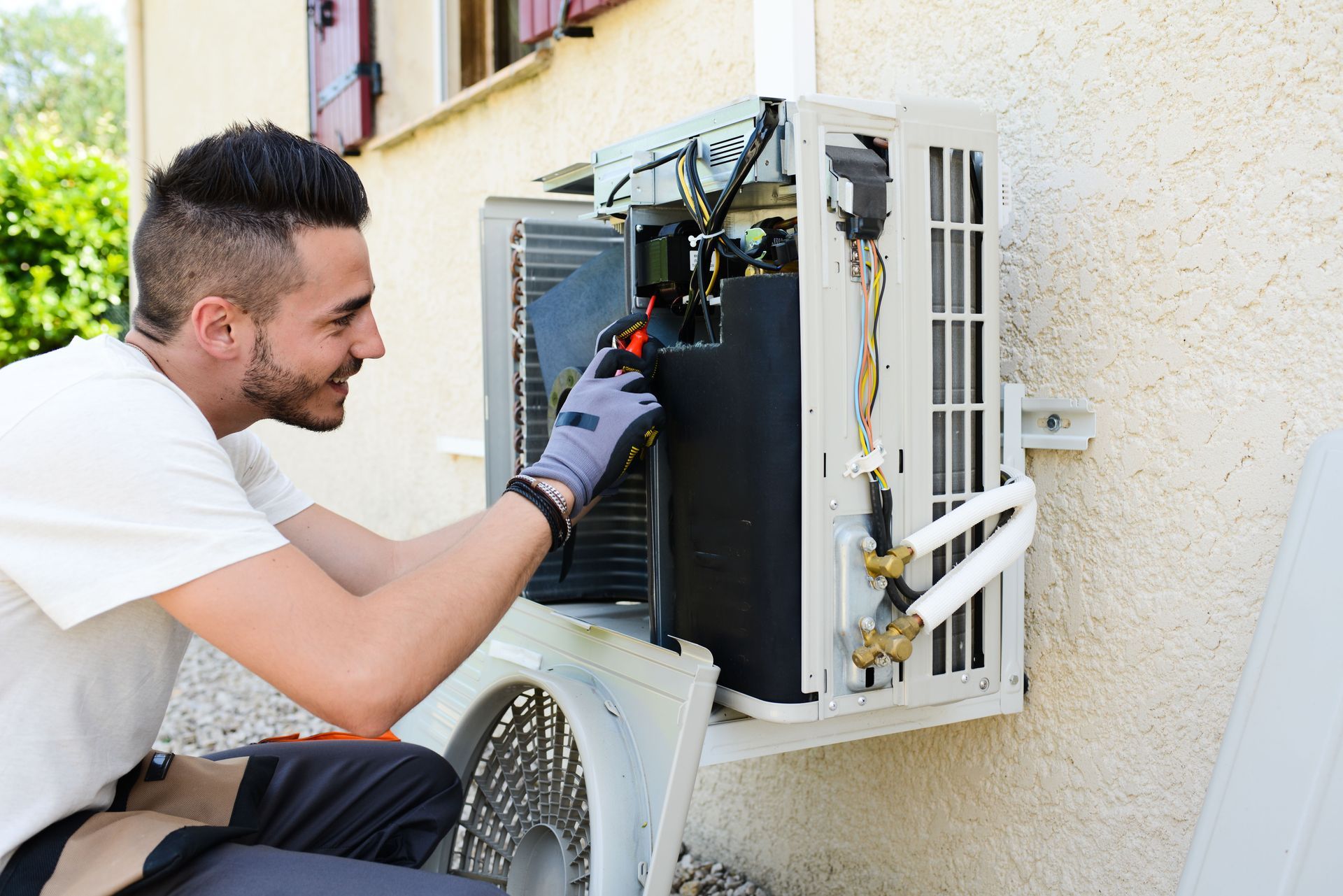
Optimizing HVAC systems is critical for energy efficiency due to their significant impact on a building's energy use. Contractors offer tune-up services that involve calibrating, cleaning, and maintaining existing systems to enhance their performance. Regular tune-ups prevent inefficient operation caused by dust buildup or mechanical failures, thereby reducing energy consumption. Businesses benefit from reduced utility bills and increased comfort levels within their premises. The initial investment in maintenance pays off in the long run through consistent energy savings and extended system life.
Integrating Advanced Thermostat Controls
The integration of advanced thermostat controls allows businesses to manage temperatures more precisely, enhancing HVAC efficiency. Smart thermostats provide insights and automation features that adjust indoor climates based on occupancy, weather, and time of day. By optimizing heating and cooling schedules, businesses can avoid excessive energy usage when buildings are unoccupied. A commercial electrical contractor will have the expertise to install and configure these thermostats, ensuring they align with the building's specific requirements. This advanced control contributes to a more comfortable environment and noticeable energy savings.
Improving Insulation and Sealing
A well-insulated building is pivotal for optimizing HVAC performance and maximizing energy efficiency. A commercial electrical contractor can assess insulation quality and identify areas where sealing can prevent air leaks. By improving these aspects, businesses can maintain more consistent indoor temperatures and reduce the workload on HVAC systems. This results in diminished energy costs and a reduced carbon footprint. The benefits extend beyond energy savings, as improved insulation contributes to a quieter and more comfortable working environment for employees.
Switching to Energy Star-rated Equipment
Switching to Energy Star-rated HVAC equipment is a strategic move for achieving optimal energy performance. These systems meet strict efficiency criteria set by the Environmental Protection Agency (EPA), ensuring superior energy savings. Contractors assist businesses in selecting and installing Energy Star-certified equipment that matches their specific needs and budgets. Updating old or inefficient HVAC systems with these high-performance options significantly reduces energy consumption. With the dual advantage of reduced utility costs and decreased environmental impact, the transition offers clear benefits for any business.
Ultimately, working with a commercial electrical contractor offers more than short-term reductions in energy use—it supports smarter operations, stronger infrastructure, and a more sustainable future. By taking a proactive approach to energy efficiency, businesses can enhance daily performance while making meaningful progress toward broader financial and environmental goals. Call Bybee Electric today to work with a commercial electrical contractor and take your business's energy into your hands.